


What is out-of-hours trading?
Out-of-hours trading can be separated into:
Pre-market trading, which takes place before the main trading session opens
Post-market trading, which takes place after the main trading session closes
Weekend trading, which enables you to trade selected markets on Saturday and Sunday
Why trade out-of-hours?
When you trade during pre-market, post-market or weekend sessions, you can:
React to breaking news and company earnings reports as they happen
Open, edit or close a position outside of the main market session
Hedge your exposure if breaking news is likely to affect an existing position
Discover more about trading online
What out-of-hours sessions are available?
1. What is pre-market trading?
Pre-market trading enables you to trade a market before the main session opens. For example, while most UK traders can only access US stock markets from 2.30pm to 9pm (UK time), pre-market trading could enable you to access these markets hours before they open. We offer exclusive extended and pre-market hours on Extended Hours stocks, indices, forex pairs and options.
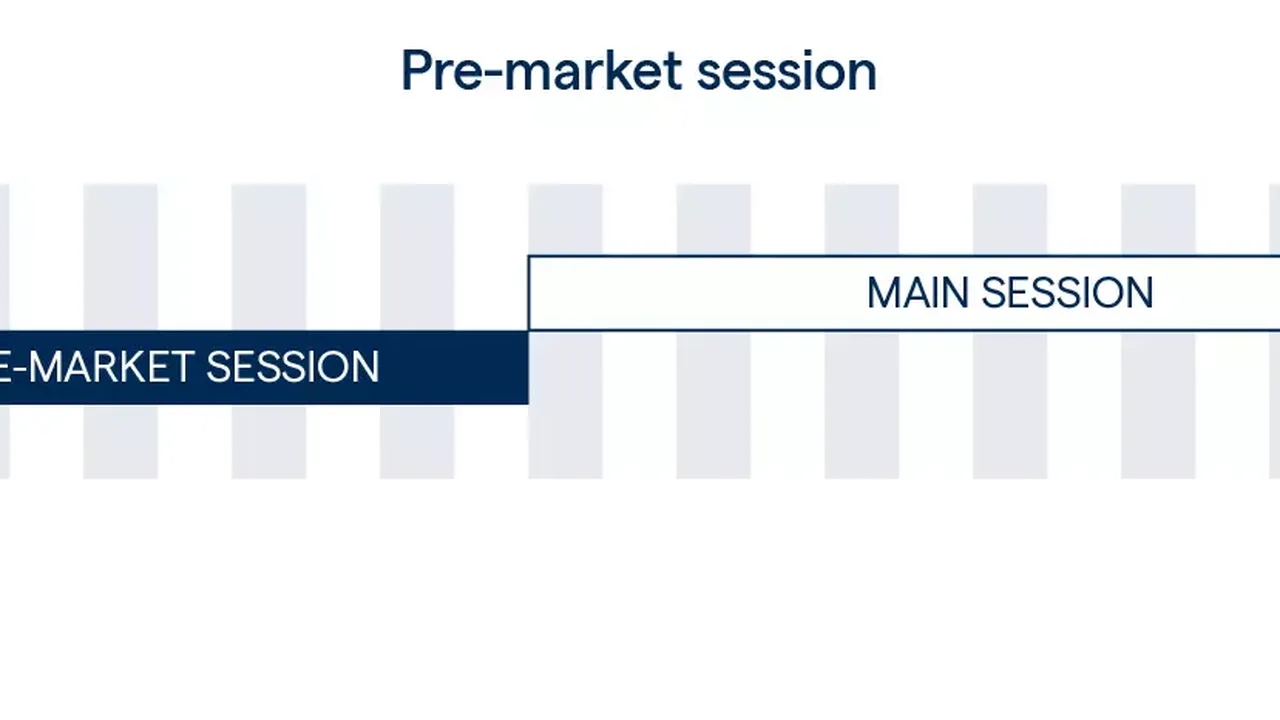
We also provide weekend trading before the Monday open on selected global indices and the GBP/USD forex pair – which you won’t get with any other provider.
2. What is post-market trading?
Post-market trading enables you to trade after the main session closes. For example, while most UK traders can only access US stock markets from 2.30pm to 9pm (UK time), post-market trading could grant you access to these markets for hours after they close. Our exclusive extended hours on Extended Hours stocks, indices, forex pairs and options enable you to trade post market.
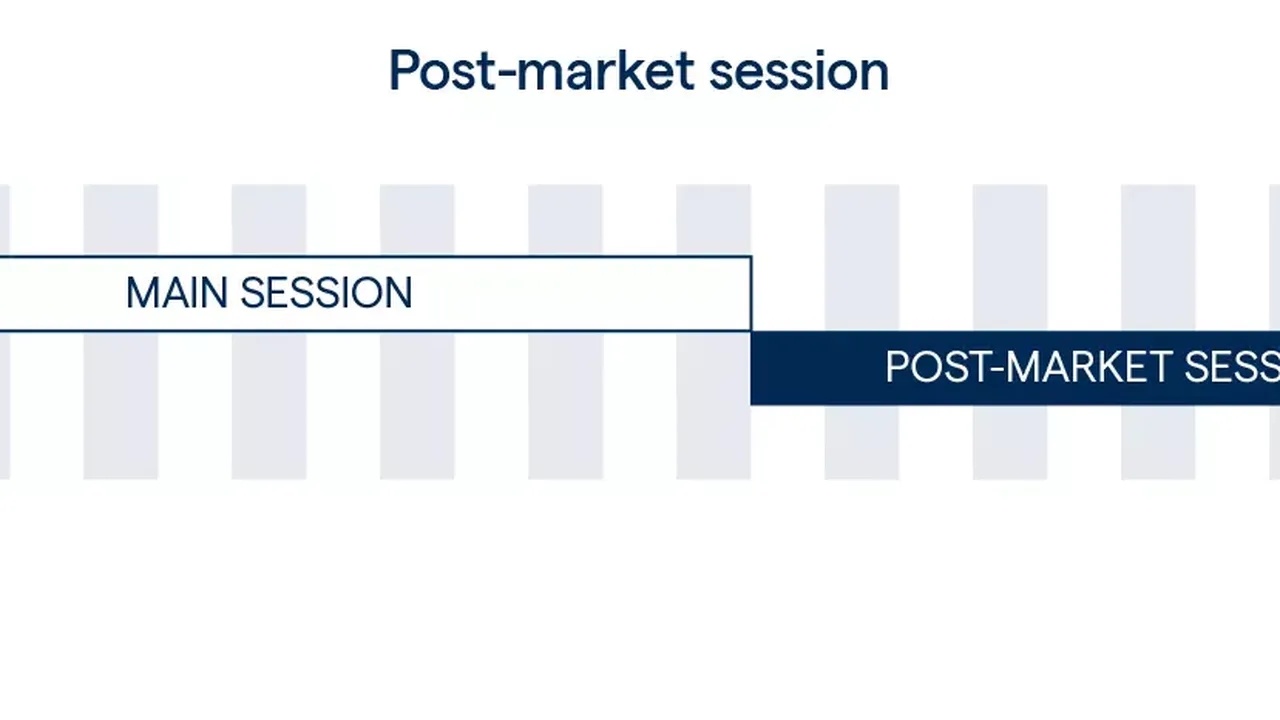
You’ll also be able to access our weekend trading offering after the Friday close on selected global indices and the GBP/USD forex pair – only available when you trade with us.
3. What is weekend trading?
Weekend trading enables you to take a position on a Saturday or Sunday. Much of our weekend trading offering is exclusive, as we’re the only provider to offer global indices and the GBP/USD forex pair. We also offer EUR/USD and USD/JPY.
You can use weekend trading to react to breaking news on a Saturday and Sunday, or to hedge your weekday positions with a weekend one on the same market. That’s because our weekend markets are separate to their weekday counterparts.
How to trade pre-market and post-market
1. Learn what moves pre-market and post-market prices
A range of factors can influence pre-market and post-market prices, including earnings releases, monetary policy meetings, macroeconomic events, and any unexpected news.
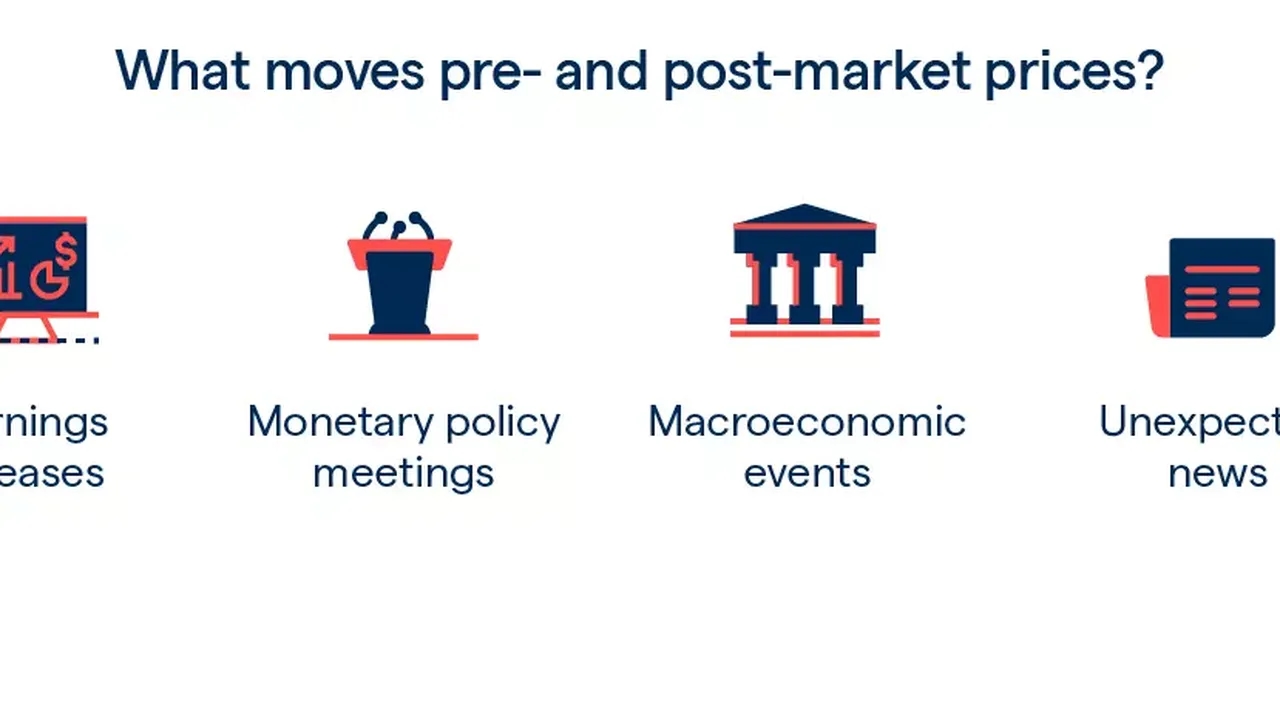
For example, companies often report results in the pre- or post-market sessions – before the main trading session starts. This can include US firms such as Apple, Alphabet, Netflix, Facebook, Amazon and Tesla, which are available as part of our Extended Hours stock offering.
Prices tend to move rapidly when news breaks outside of the main session, as a result of lower trading volumes and liquidity. So, traders who don’t have access to pre- or post-market trading can find that they miss the opportunity to take full advantage of the price moves associated with these reports.
2. Choose a pre-market or post-market strategy
Pre-market and post-market trading sessions can form an important part of a trader’s strategy. There are two main ways to take advantage of price movements during these sessions:
Trading breakouts
Breakouts typically follow a period of consolidation – when an asset’s price is relatively static after a strong price move in either direction. Consolidation often precedes an announcement, as traders and investors are waiting to see how they should act.
Breakout traders will look for consolidation in the market, then open positions on the back of relevant news announcement. Their aim is to take full advantage of the resulting price move.
Technical indicators that can help you assess when breakouts could occur include Average True Range and Bollinger Bands.
Hedging gap risk
Gapping occurs when the price at the start of the main session is substantially higher or lower than the end of the previous day’s post-market session.
You can minimise gap risk by hedging with our out-of-hours markets. For example, if you were concerned that a Tesla shareholding could fall in value before the main session opens, you could take a short position on Tesla during our post-market session.
If the market falls as expected, the profit from your short position would help offset the loss to your shareholding. But, if it rises instead, the increase in the value of your shareholding would help offset the loss on your short position.
3. Open your position
Whether you choose to trade pre-market, post-market or at the weekend, the steps to open your position are always the same. Open an account then learn how to place your first out-of-hours trade.
How to trade at the weekend
Major price movements on our weekend markets most often result from breaking news or macroeconomic events.
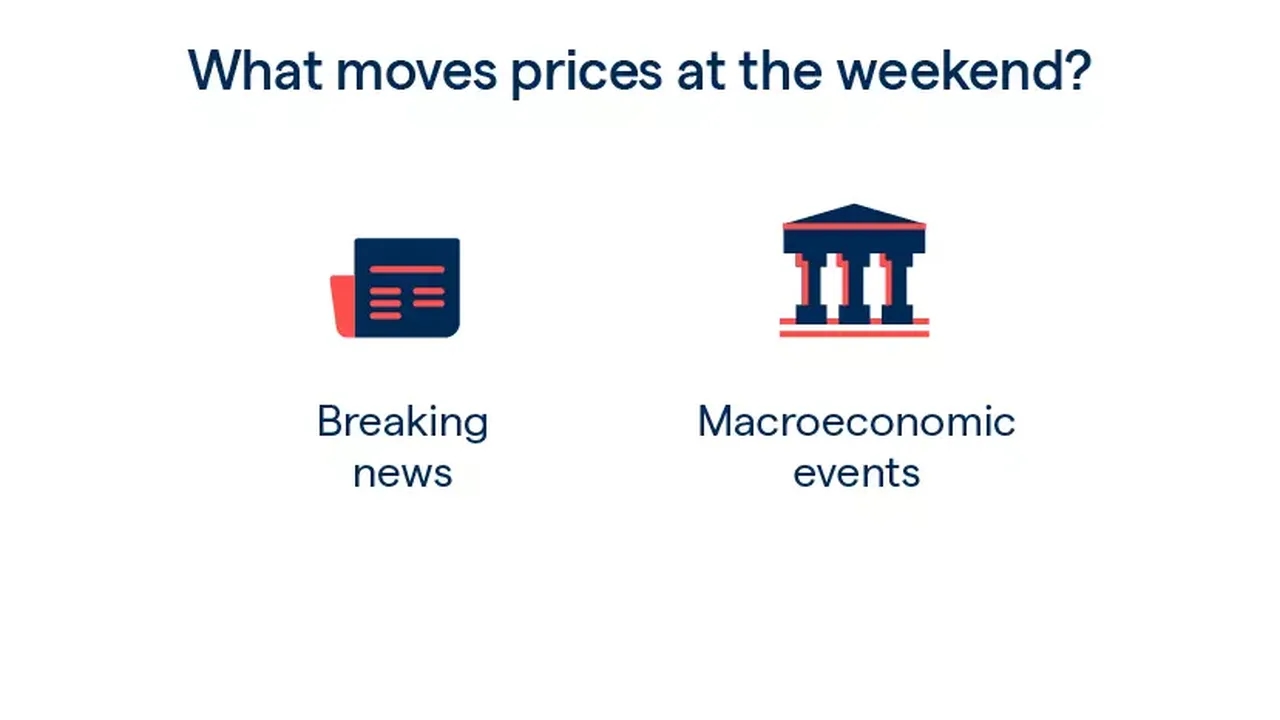
Forex pairs and indices are strongly influenced by events including G7, G20 and EU summits, as well as trade negotiations, referendums and elections.
2. Choose a weekend trading strategy
Our weekend trading offering gives you an exclusive opportunity to trade markets not readily available elsewhere. There are two main ways to take advantage of price movements during these sessions:
Trading macro events
Macro events often result in an announcement, such as an interest rate decision or the conclusion of trade talks.
The expected outcome of such an announcement will often be priced in to the markets before it actually happens, so prices can move quickly if there is a difference between expectations and reality.
You can take a position early, provided you have an appropriate risk management strategy in place, or wait to see if something unexpected happens before opening a trade.
Hedging at the weekend
If you’re concerned that weekend news could affect an existing position, you’ll be able to use our weekend markets to hedge risk.
For example, if you have a US stock portfolio but are concerned about a short-term drop in its value, you might consider taking a short position on our Weekend Wall Street index.
As long as the two positions are roughly equal in value and opposite in direction, you’ll minimise the effect of any sudden negative moves over the weekend. That’s because any loss to one position would be offset by a gain to the other.
3. Open your position
Whether you choose to trade at the weekend, or in our pre-market or post-market sessions, the steps to open your position are always the same. Open an account then learn how to place your first out-of-hours trade.
How to open your out-of-hours trade
1. Choose a trading method
Create a trading account with us, and you’ll be able to trade pre-market, post-market and at the weekend with spread bets and CFDs. These are financial derivatives, which enable you to speculate on the price of a market rising by going long, or falling by going short.
Alternatively, you can open a share dealing account to invest in shares out-of-hours with our Extended Hours stock offering on more than 70 US shares.
Spread betting
Spread betting is a tax-free way to trade.3
You’ll make a prediction about the direction of a market’s price movements, with your profit or loss determined by the accuracy of your prediction and the size of the market movement.
Find out more about spread betting.
CFD trading
CFD trading works in a similar way to spread betting, but it enables you to offset profits against losses for tax purposes – making CFDs particularly useful for hedging risk.
Unlike spread bets, CGT applies to any CFD profits.3
Find out more about CFD trading.
Share dealing
Share dealing enables you to invest directly in shares. You’ll profit if you sell after they have risen in value.
You’ll also be eligible to receive dividends, and you might get company voting rights.
Find out more about share dealing.
2. Select a market
Toggle between the tabs below to see the range of markets available during each session.
We offer extended hours for trading and share dealing on over 70 Extended Hours US shares – including Alphabet, Amazon, Apple, Microsoft and Tesla.
Extended share trading hours
| Market hours (UK time) |
Normal stock market dealing hours on US shares | 2.30pm – 9pm Monday to Friday |
Our extended dealing hours on Extended Hours US stocks | Extended Hours: |
Our spread betting and CFD trading hours on Extended Hours US stocks | Extended Hours: |
We offer over 35 more weekly trading hours than our nearest competitor on popular indices including the FTSE 100, Germany 40 and Wall Street.4 These markets enable you to get exposure to a country’s most popular stocks from a single position.
Weekly indices trading hours
FTSE 100 | Germany 40 | Wall Street | |
IG | 158 | 158 | 158 |
City Index | 120 | 120 | 120 |
CMC Markets | 112 | 121 | 114 |
eToro | 70 | 98 | 113 |
Trading 212 | 110 | 110 | 115 |
This data is based on analysis of the FTSE 100, Germany 40 and Wall Street offering from our UK competitors’ websites, and is correct to the best of our ability as of 30 March 2020. Some trading hours have been rounded up or down to the nearest hour. This table is for comparative purposes only, and the data is subject to change.