Trading mistakes: placing the stop-loss
IG client Kassar Khan talks about using stop-losses intelligently.
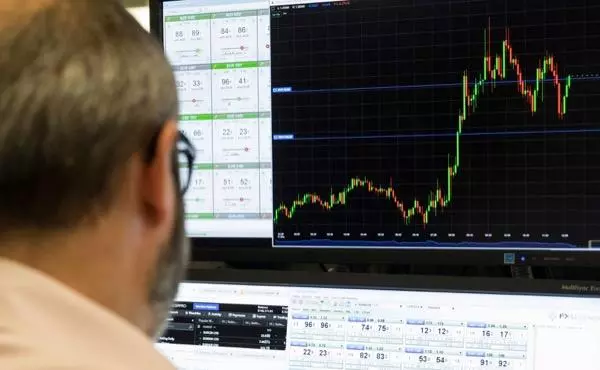



He weighs the cost of putting the stop-loss too far out, opening up the chances of bigger losses when the trade goes against you, versus tighter positioning. Tighter stop-losses mean that there is an increased chance of being taken out too early.
(Video summary)
How to set stop-loss orders for maximum profit
Setting stop-loss orders in trading can be difficult because traders need to find a balance between not risking too much and not setting them too close.
IG client Kassar Khan says when stop-loss orders are set too tight, many traders end up placing their stops at the same level, which increases the chances of them getting hit. This is known as a "stop run" and it can be frustrating for traders who see their stocks moving in the opposite direction or witness everyone getting cashed out at the same place.
Imagine you want to buy stocks in the Hang Seng index in Hong Kong. You set your stop-loss order just below a certain level, assuming that others have done the same. But when you wake up the next morning, you find out that you were cashed out at a similar price to your entry.
Upon closer examination, you realise that the price briefly dipped below your anticipated stop level before bouncing back. This shows that it's important to avoid placing stop-loss orders where everyone else is, as it can lead to premature exits and missed opportunities.
Finding the sweet spot
During a trading workshop, he suggested considering smaller stake sizes to have more room for placing stops further away. For example, if you usually trade with a stake of £10 per point, you could reduce it to £5 per point. Although this may result in smaller potential profits, it allows for stops to be set at better positions, reducing the risk of being stopped out too soon.
Overall, it's important to recognise that many traders tend to place stops at the same levels, which can lead to stop runs. By placing stops further away from crowded levels and considering smaller stake sizes, traders can potentially avoid getting caught in these stop runs and improve their trading performance. So, it's better to make a decent profit with a well-placed stop than to suffer losses due to a tighter stop.
This information has been prepared by IG, a trading name of IG Markets Ltd and IG Markets South Africa Limited. In addition to the disclaimer below, the material on this page does not contain a record of our trading prices, or an offer of, or solicitation for, a transaction in any financial instrument. IG accepts no responsibility for any use that may be made of these comments and for any consequences that result. No representation or warranty is given as to the accuracy or completeness of this information. Consequently any person acting on it does so entirely at their own risk. Any research provided does not have regard to the specific investment objectives, financial situation and needs of any specific person who may receive it. It has not been prepared in accordance with legal requirements designed to promote the independence of investment research and as such is considered to be a marketing communication. Although we are not specifically constrained from dealing ahead of our recommendations we do not seek to take advantage of them before they are provided to our clients. See full non-independent research disclaimer and quarterly summary.

Seize a share opportunity today
Go long or short on thousands of international stocks.
- Increase your market exposure with leverage
- Get spreads from just 0.1% on major global shares
- Trade CFDs straight into order books with direct market access
Live prices on most popular markets
- Forex
- Shares
- Indices
Prices above are subject to our website terms and agreements. Prices are indicative only